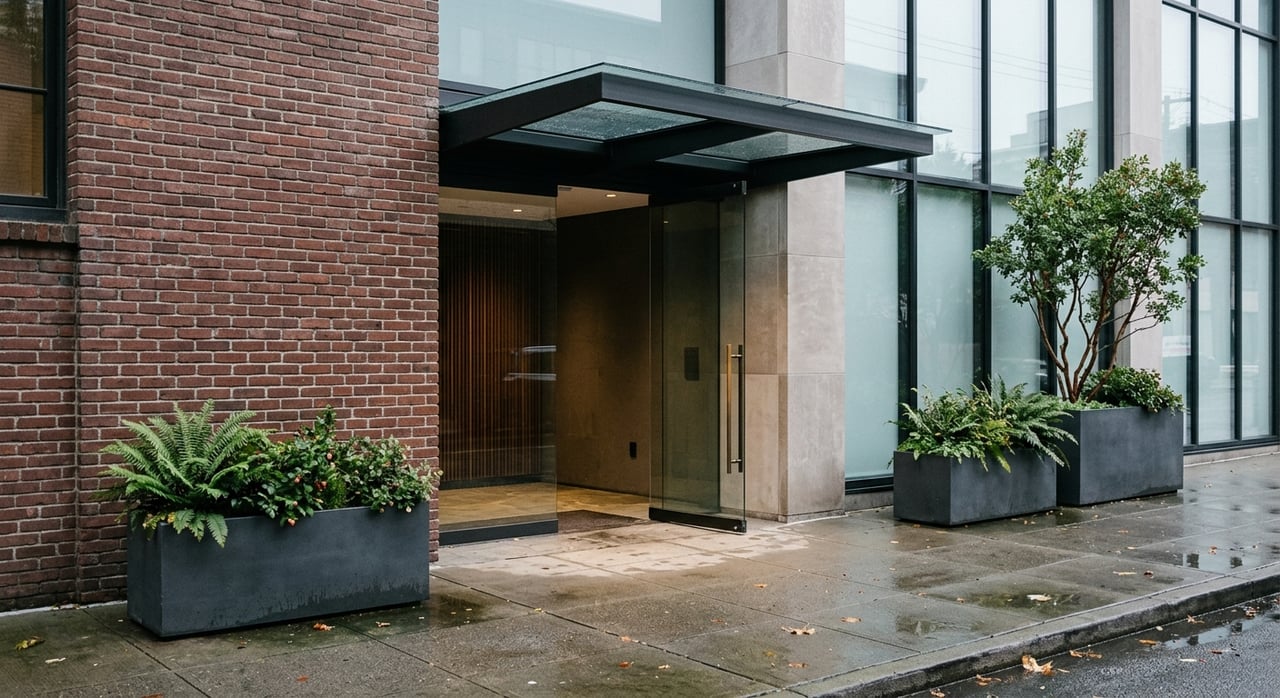
Choosing Between New And Established Condos In Downtown Seattle
July 9, 2026
July 9, 2026
If you are weighing a brand-new condo against an established one in downtown Seattle, you are not just comparing finishes or lobby style. You are choosing between two different ownership experiences, each with its own mix of convenience, history, monthly costs, and future risk. The good news is that downtown offers enough variety to make this a real choice, and with the right due diligence, you can match the building to the way you actually live. Let’s dive in.
Downtown Seattle is not simply a place people commute into. It is a large residential market with an estimated 109,845 residents and 317,579 jobs in 2025, according to the Downtown Seattle Association. The area also continues to draw major activity, with more than 15 million unique visitors and 9.2 million boardings at the four downtown Link stations.
That scale matters when you are shopping for a condo. Downtown added more than 1,600 multifamily units in 2025, with 3,325 more under construction at year-end and 11,772 in final planning or proposed stages. Nearly half of all housing built in Seattle since 2019 has been concentrated downtown, which means resale condos are competing with both current and future inventory.
New downtown condos often appeal to buyers who want a more turnkey lifestyle. In many cases, you are getting contemporary finishes, less immediate renovation work, and amenity spaces designed to feel polished from day one. That can be especially attractive if you value ease, design consistency, and a more current layout.
Seattle’s design review program helps explain why many newer towers feel more intentional in how they meet the street and organize shared spaces. The city says design review has focused on things like overall appearance, street frontage, site context, access, materials, open space, and landscaping. Even with temporary rule changes adopted in October 2025, that design-conscious approach still shapes much of the newer product buyers see downtown.
A project like First Light shows what many buyers picture when they think about new construction downtown. Its residential spaces include a full-time concierge, bike room and work area, salon, screening lounge, wellness center, sky pool, and garden space. Interiors emphasize floor-to-ceiling glass, triple-paned windows, terrazzo, concrete, premium cabinetry, and high-end appliances.
That does not mean every new condo tower looks the same, but it does show the broader pattern. In new construction, you are often paying for a full package that includes architecture, amenities, service, and a move-in-ready finish level. If that matches your routine, the premium can make sense.
The biggest practical question is not whether a building is beautiful. It is whether the numbers behind the building are as strong as the presentation. Newer associations typically have less operating history, so buyers may have fewer years of budgets, reserve data, and management performance to review.
That means you should look closely at reserve funding, staffing assumptions, and how the HOA budget was built. A newer building may have lower wear and tear today, but that does not automatically mean lower long-term maintenance risk. In Washington, the paperwork matters just as much as the finishes.
Established condos often appeal to buyers who want more history, more comparables, and a wider range of price points and renovation levels. In downtown Seattle, that category covers a broad spread of buildings, from 1990s towers to luxury buildings from the late 2000s. That variety can create opportunities if you are open to looking beyond what is brand new.
An older building also gives you more evidence. In many cases, there are more years of HOA budgets, reserve study updates, and resale transactions to evaluate. That track record can help you understand whether dues have been stable, whether maintenance has been proactive, and whether major building work has already been addressed or is still ahead.
It is easy to assume that older buildings come with fewer amenities, but that is not always true downtown. Newmark Tower, built in 1991, is associated with amenities like an indoor pool, sauna, Jacuzzi, fitness center, view deck, and 24-hour concierge. Escala, completed in 2009, includes 275 condos, large terraces, and more than 30,000 square feet of resident amenity space.
That matters because monthly dues and lifestyle value do not depend on age alone. Some established buildings still offer a strong full-service living experience, while others may feel more understated. The real question is whether the building’s amenity package aligns with how often you will actually use it.
One thing established buildings do require is a closer look at the specific unit, not just the building. In resale towers, one condo may be fully remodeled while another may need a new kitchen, baths, flooring, or windows treatment updates. That variation can be a benefit if you want to create value through renovation, but it can also create more moving parts.
If you are comparing established units, try to separate building quality from unit finish quality. A well-run building can still contain units at very different levels of condition. That is where careful review and a room-by-room walkthrough become especially important.
When buyers compare new and established condos in downtown Seattle, the most useful framework is not new versus old. It is whether the building’s dues, reserves, staffing model, and capital plan fit your budget and risk tolerance. Age is only one piece of the puzzle.
Washington condo law makes association documents central to that review. Condominiums created on or after July 1, 2018 generally fall under RCW 64.90, while older associations may still fall under RCW 64.34. Under both chapters, covered residential associations must have reserve studies updated annually, with a professional visual inspection required at least every third year.
A reserve study is the association’s long-range maintenance plan for shared building components. In plain terms, it helps show whether the HOA is planning responsibly for future repairs and replacements. If a building does not have a current reserve study, Washington’s required disclosure language specifically warns buyers about the risk of special assessments.
That is why newer condos do not automatically equal lower risk. An established building may have a longer track record and a solid reserve position, while a newer building may still be early in its budgeting cycle. You want to know how realistic the assumptions are, not just how new the lobby looks.
In a resale transaction, the certificate must disclose current assessments, delinquent amounts, special assessments, the operating budget, insurance, litigation, restrictions on use or rental, and the association’s governing documents. For condos under RCW 64.90, disclosures also include items such as warranty coverage and EV-charging requirements.
This is where a detailed review can protect you. Two buildings with similar monthly dues may carry very different future obligations depending on reserve funding and planned capital work. A lower monthly number is not always the better value if it is masking underfunded maintenance.
If you like the simplicity of moving into a polished home with contemporary amenities, new construction may be the right fit. You may pay more for that convenience, but in return, you often get a more curated living experience and less immediate unit-level updating. For buyers who prioritize design, service, and a fresh start, that can be worth it.
If you value operating history, renovation flexibility, or a broader value range, an established condo may be the smarter path. You may find a building with strong amenities, a proven association, and a unit you can tailor over time. For buyers who want more data and potentially more pricing spread, resale can be compelling.
Before you choose, compare each building through the same lens:
In downtown Seattle, the strongest condo purchase is rarely about choosing the newest building or the oldest bargain. It is about choosing the building that best matches your routine, your comfort with HOA risk, and the way you want your home to function over the next several years. With so much inventory and future pipeline downtown, buyers have room to be selective.
That is where a detailed, building-by-building approach really pays off. If you want help comparing downtown Seattle condos with a careful eye on lifestyle fit, resale history, and HOA due diligence, connect with James Campbell Real Estate Broker.
Stay up to date on the latest real estate trends.


Real estate, for me, is about obsessive and detailed customer service. Customer service is not just a strength of mine, it is my professional and personal North star. Whether you’re looking for your first, next, or moving from your current home, I look forward to helping you on your home buying or selling journey.