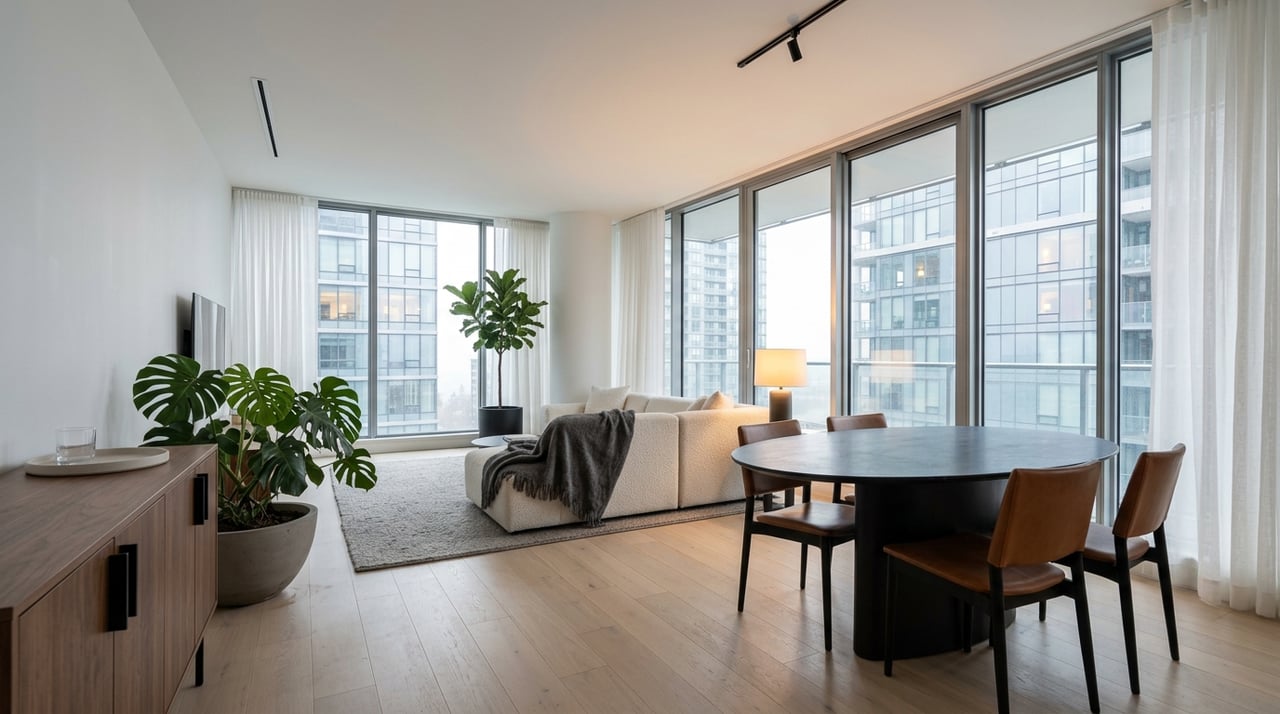
Weekday And Weekend Living In Downtown Seattle Condos
July 2, 2026
July 2, 2026
If you are thinking about condo living in downtown Seattle, the biggest question may not be whether the area is active. It is how that activity changes from Monday morning to Sunday evening. That shift matters because your daily routine, commute, quiet time, and weekend plans can feel very different depending on the block and building you choose. This guide will help you understand downtown’s weekday and weekend rhythm so you can evaluate condo living with clearer expectations. Let’s dive in.
Downtown Seattle functions as a mixed-use urban core, not just an office district. The Downtown Seattle Association estimates nearly 110,000 residents, more than 317,000 jobs, and over 15 million unique visitors in 2025. That combination gives downtown a distinct pulse that changes throughout the week.
For condo owners and buyers, that means the neighborhood rarely feels one-note. On weekdays, the energy leans toward work, errands, coffee runs, and lunch traffic. On weekends, the center of gravity shifts toward the market, waterfront, restaurants, games, concerts, and public spaces.
Average weekday worker foot traffic reached about 145,000 in 2025, up nearly 4% from 2024. Even so, that figure is still only 64% of 2019 levels, which suggests downtown remains active but not as office-heavy as it once was.
In practical terms, you may notice a stronger morning and midday rhythm near major office and transit areas. Sidewalks, coffee shops, and lunch spots tend to feel more utilitarian during the workweek. If you work downtown or nearby, that can be a major convenience.
One of the biggest advantages of downtown condo living is access to daily essentials and quick meetups without much planning. Pike Place Market alone spans nine historic acres in the center of downtown and includes more than 500 small businesses. That makes it more than a visitor destination. It can be part of your regular routine.
You can build a weekday around a coffee stop, a casual lunch, or a quick errand close to home. Market businesses such as Storyville Coffee add to that everyday usefulness, especially if you like having familiar places for meetings or a change of work setting.
If your schedule runs later, transit still matters after standard business hours. King County Metro’s Night Owl service runs from midnight to 5 a.m. every day and serves downtown Seattle and many neighborhoods.
That can be meaningful if you work shifts, enjoy late dinners, or regularly attend evening events. For many condo residents, flexibility after dark is part of the appeal of staying in the urban core.
On weekends, downtown tends to feel less commute-driven and more leisure-focused. Pike Place Market is open seven days a week and 363 days a year, with most activity happening from 9 a.m. to 5 p.m. It is typically fullest from Thursday through Monday, and some restaurants stay open until midnight or later.
That pattern helps explain why weekends often feel more social and exploratory. Instead of a quick lunch crowd, you are more likely to see people lingering, browsing, dining, and moving between the market and the waterfront.
The waterfront is an increasingly important part of downtown living. Local visitor foot traffic to the waterfront rose 11% in 2025, showing that it is drawing more repeat local use, not just tourism.
For a condo resident, that matters because nearby public space can shape your day-to-day quality of life. Waterfront Seattle now includes wide walking spaces, an elevated connection between Pike Place Market and the waterfront, nine public art installations, two play spaces, and 20 acres of new public space.
The stadium area also saw visitor foot traffic rise more than 7% in 2025, driven by games and concerts. Depending on where your building sits, event traffic may be a plus, a consideration, or both.
If you enjoy being close to major entertainment, downtown can make last-minute plans easy. If you prefer a quieter feel, block-by-block location becomes more important when comparing condo options.
For many buyers, downtown condo living works best when you fully use the transportation network around you. Seattle’s urban core offers multiple ways to move through the city and across the region without relying on a car every day.
King County Metro provides bus, on-demand, paratransit, vanpool, water taxi, and operates the Seattle Streetcar, Sound Transit Link light rail, and Sound Transit Express buses. Link light rail runs between Lynnwood City Center and Angle Lake, stops in downtown Seattle, and arrives every 6, 10, or 15 minutes depending on the time of day.
Downtown Link stations include Westlake, Symphony, Pioneer Square, and International District/Chinatown. The 2 Line also connects downtown Seattle with Bellevue and Redmond, which is especially useful if your life or work regularly takes you across the lake.
The Water Taxi offers another layer of flexibility. King County Water Taxi provides a 15-minute ride to West Seattle and a 22-minute ride to Vashon Island.
The Seattle Center Monorail also runs directly between Westlake Center and Seattle Center. While that route is short, it supports an easy connection to one of the city’s major activity centers.
Biking is becoming more practical in and around downtown. Seattle’s waterfront includes a 1.2-mile protected bike path that connects to city bicycle routes in Belltown, Pioneer Square, and Spring Street.
The Center City Bike Network also includes protected downtown connections on routes such as 2nd, 4th, 7th, 8th, and 9th avenues. If your goal is to reduce car use, those links can make short urban trips easier to manage.
Visit Seattle describes downtown as a neighborhood with notable restaurants and shops, along with museums, library access, observatory, hotel dining, market-to-table options, and rooftop patios. For a condo resident, that translates to variety within a compact area.
You can keep your weekdays efficient and your weekends flexible. Quick coffee, dinner reservations, casual meals, or a night out can all happen close to home, which is one of downtown’s strongest lifestyle advantages.
Downtown also offers easy access to cultural anchors. The Seattle Aquarium sits on Pier 59 on the central waterfront, just west of Pike Place Market. The Seattle Art Museum and Seattle Central Library are also part of the downtown attraction mix.
That kind of access can shape how often you actually use the city. When cultural destinations are nearby, it becomes easier to fit them into a normal week instead of saving them for occasional outings.
Urban living works better when there is room to reset. The Olympic Sculpture Park offers nine acres of free public green space for art and views, and it sits beside Myrtle Edwards Park.
For condo residents, that creates a practical outlet for a quick jog, a dog walk, or a low-key weekend outing. Combined with the reworked waterfront, it gives downtown more outdoor breathing room than some buyers expect.
Downtown is not one uniform district. The Downtown Seattle Association describes it as a cluster of 12 neighborhoods, and the condo experience can vary significantly by block.
That is why broad labels can only tell you so much. A building near major transit and office clusters may feel very different from one near the waterfront, Belltown, or the stadium area.
The Downtown Seattle Association reports that violent crime in the downtown core fell to its lowest level since at least 2017 in 2025, excluding the pandemic year. At the same time, it notes persistent challenges in parts of Belltown and Chinatown-International District.
For you as a buyer, that means local context matters more than general impressions. The right approach is to evaluate the building, immediate surroundings, and your likely daily routes with care.
Downtown Seattle is still evolving. The Downtown Seattle Association says thousands of new multifamily homes have been delivered in the city center, with more still under construction.
That growth supports downtown’s deeper residential identity, but it can also mean construction impacts and continued change. If you are considering a purchase, it helps to think about both the current feel of the block and the direction the area appears to be heading.
Downtown Seattle condo living often makes the most sense if you value convenience, mobility, and immediate access to city amenities. It can be especially appealing if you want to be close to transit, dining, coffee, cultural destinations, and the waterfront.
It may also be a strong fit if you prefer a lifestyle where your weekday routine and weekend plans both happen close to home. The tradeoff is that energy levels, foot traffic, and street activity can shift noticeably depending on the day and the micro-location.
If you are deciding between downtown buildings, this is where a detailed, block-specific approach matters. Looking at commute patterns, weekend foot traffic, transit access, and nearby public space can help you narrow in on the right fit rather than the most obvious address.
If you want help comparing downtown Seattle condo options with a clear, data-informed lens, James Campbell Real Estate Broker offers the kind of detailed guidance and high-touch support that can make an urban purchase feel more confident and more strategic.
Stay up to date on the latest real estate trends.

Real estate, for me, is about obsessive and detailed customer service. Customer service is not just a strength of mine, it is my professional and personal North star. Whether you’re looking for your first, next, or moving from your current home, I look forward to helping you on your home buying or selling journey.