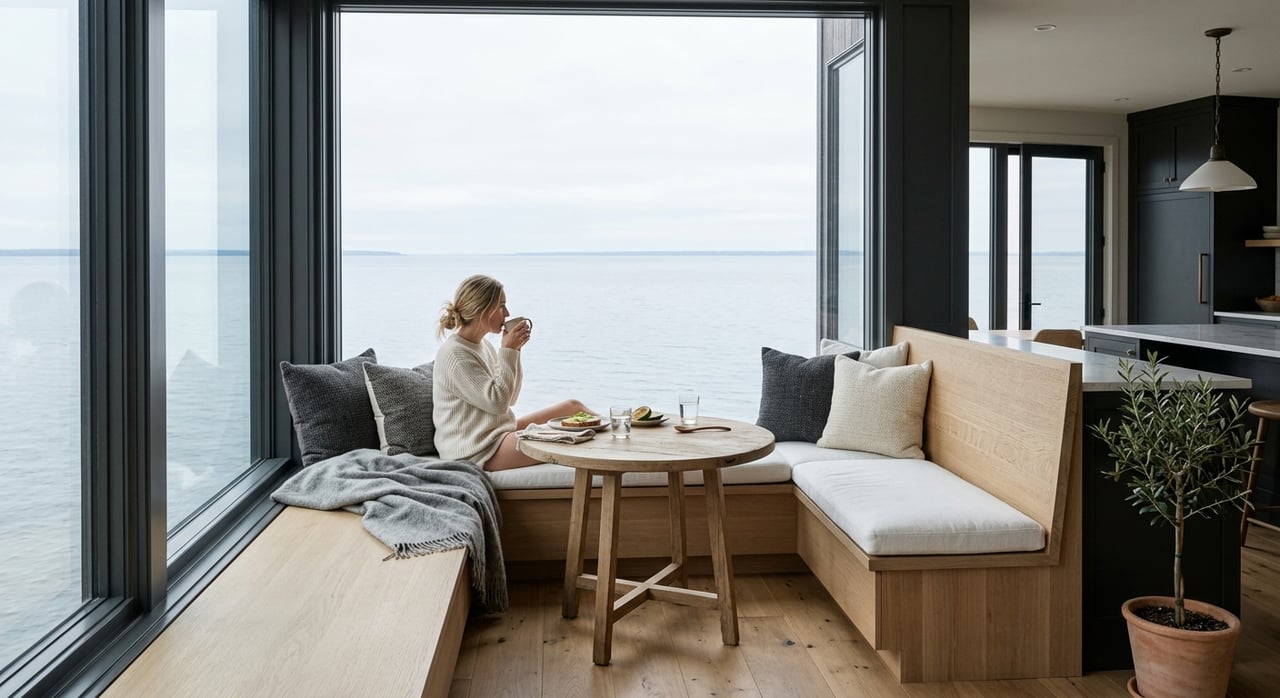
Madison Park Seattle Lifestyle: Waterfront and Village Living
June 11, 2026
June 11, 2026
If you are searching for a Seattle neighborhood that feels both connected and calm, Madison Park stands out right away. You get Lake Washington at the edge of daily life, plus a compact village core where errands, coffee, and dinner can stay close to home. That mix gives the neighborhood a rhythm that feels practical, not just picturesque. Let’s take a closer look at what waterfront living and village life in Madison Park really feel like.
Madison Park sits on the western shore of Lake Washington and has a long history as both a recreation spot and a residential neighborhood. Over time, it evolved from a popular picnic area into a compact district with homes, shoreline access, and a small shopping area. Today, that history still shows up in the way the neighborhood balances everyday living with waterfront access.
What makes Madison Park especially appealing is that it does not feel like a place you only visit for a view. Seattle planning materials describe it as a neighborhood center with a local mix of shops, services, parks, open spaces, and bus connections. In simple terms, that means you can enjoy the lake while still living in a neighborhood built for daily routines.
The shoreline is the heart of the neighborhood. Madison Park itself is a grassy waterfront park with a 400-foot beach, benches, play equipment, a bathhouse with restrooms, a bike rack, and two tennis courts. In summer, the swimming beach is lifeguarded, which adds to the park’s easy, everyday appeal.
The setting also shapes how people use the neighborhood. You can picture a morning walk by the water, a quick stop at the beach in the afternoon, or an evening spent watching the light change over Lake Washington. With views toward the floating bridge and the Cascades, the park gives the neighborhood a strong sense of place without making life feel overly busy.
One of the biggest lifestyle advantages here is how accessible the waterfront feels. The beach is not tucked away from the neighborhood’s main activity. Seattle Parks notes that shops and restaurants sit right across the street, which creates a natural flow between the shoreline and the village core.
That makes spontaneous outdoor time easier. Instead of planning a full day around the lake, you can work a shoreline walk, a swim, or time on the grass into an ordinary weekday.
Just one block north, Madison Park North Beach gives you a more low-key shoreline setting. It features a long, narrow strip of grass with benches and a swing set. Seattle Parks notes that the seawall makes it unsuitable for swimming or boat launching, so the feel is more about sitting, strolling, and taking in the water.
That quieter space adds range to the neighborhood. If the main park feels social and active, North Beach feels more reflective. Having both options within such a short distance helps Madison Park deliver a waterfront lifestyle that can fit different moods throughout the week.
Madison Park’s commercial core is small, but that is part of its appeal. Rather than a large retail district, you have a focused cluster of useful businesses that support daily life. The result is a neighborhood that feels lived-in and practical.
This is where Madison Park shifts from beautiful to functional. You are not relying on the lake alone for lifestyle value. You also have the kind of local businesses that make it easier to stay close to home for coffee, groceries, mailing needs, and a casual meal.
Bert's Red Apple has long served as the neighborhood grocery and also operates as the local wine shop. The store includes produce, floral, deli, meat, and seafood departments, making it more than a quick convenience stop. For many buyers, having that kind of grocery anchor nearby is a big part of what makes a smaller neighborhood feel complete.
Park Postal adds another useful layer. It offers shipping, mailing, digital printing, greeting cards, mailboxes, and package receiving. Services like that may sound simple, but they matter in daily life and help explain why Madison Park can function as a self-contained pocket within Seattle.
The neighborhood also supports easy daily rituals. Madison Park Bakery offers baked goods and sandwiches on East Madison, while Belle Epicurean brings a café setting and French pastry to the neighborhood mix. Those kinds of stops help shape the pace of the area, especially in the mornings.
For dining, Cactus Madison Park serves brunch, happy hour, and dinner, while The Attic has long presented itself as a neighborhood bar and restaurant. Together, they suggest a social scene that feels local and steady rather than heavily destination-driven. That can be a meaningful quality if you value familiarity and convenience in your day-to-day routine.
In Madison Park, lifestyle is often about repetition in the best sense. A weekday morning might begin with coffee or a bakery stop, followed by errands in the village core. Later in the day, the lake is close enough for a short walk or a moment at the park without much planning.
Weekends naturally lean more into the shoreline. You might spend time on the grass, head to brunch, or meet friends for a relaxed meal nearby. Because the commercial core sits so close to the waterfront, the neighborhood supports a simple pattern of movement that feels easy and efficient.
That combination is a major part of Madison Park’s appeal. The lake gives the neighborhood breathing room, and the village core gives it function. Together, they create a lifestyle that feels both scenic and grounded.
Even with its tucked-in feel, Madison Park is not disconnected from the city. Seattle planning materials identify bus connections to Capitol Hill and downtown as part of the neighborhood center. That matters if you want a quieter residential setting without giving up access to broader Seattle destinations.
The Madison Street corridor has also seen transit improvements through the RapidRide G Line project. Seattle and King County describe the corridor as connecting downtown Seattle with First Hill, Capitol Hill, the Central Area, and Madison Valley, along with safer design for walking, biking, and buses. For buyers thinking about convenience, that broader corridor context adds another layer to Madison Park’s appeal.
Madison Park can be especially compelling if you want a neighborhood that blends lifestyle and practicality. Buyers who value waterfront access, a smaller commercial core, and a more relaxed day-to-day pace may find a strong fit here. It can also appeal to those who want Seattle living with a distinct neighborhood identity rather than a faster urban feel.
From a home search perspective, this kind of neighborhood often attracts people who care about experience as much as square footage. Proximity to the water, nearby parks, and a walkable village environment can shape how a home feels long after move-in day. That is why understanding the neighborhood rhythm matters as much as understanding the property itself.
When you are buying in Seattle, the surrounding lifestyle often has a direct impact on long-term satisfaction. Madison Park offers a very specific mix: public shoreline access, practical local businesses, and connections back into the city. That combination is not common in every neighborhood.
If you are comparing Madison Park with other Seattle areas, it helps to think beyond price and bedroom count. Consider how you want your week to feel. In Madison Park, the answer is often shaped by water, walkability, and the ease of having daily essentials close by.
If you want help evaluating whether Madison Park fits your goals, James Campbell Real Estate Broker offers thoughtful buyer guidance, local market insight, and a service-first approach designed to make your search more focused and less stressful.
Stay up to date on the latest real estate trends.

Real estate, for me, is about obsessive and detailed customer service. Customer service is not just a strength of mine, it is my professional and personal North star. Whether you’re looking for your first, next, or moving from your current home, I look forward to helping you on your home buying or selling journey.