The Tree in the Yard Now Has a Say in Your Washington Park Closing Date
September 3, 2026
September 3, 2026
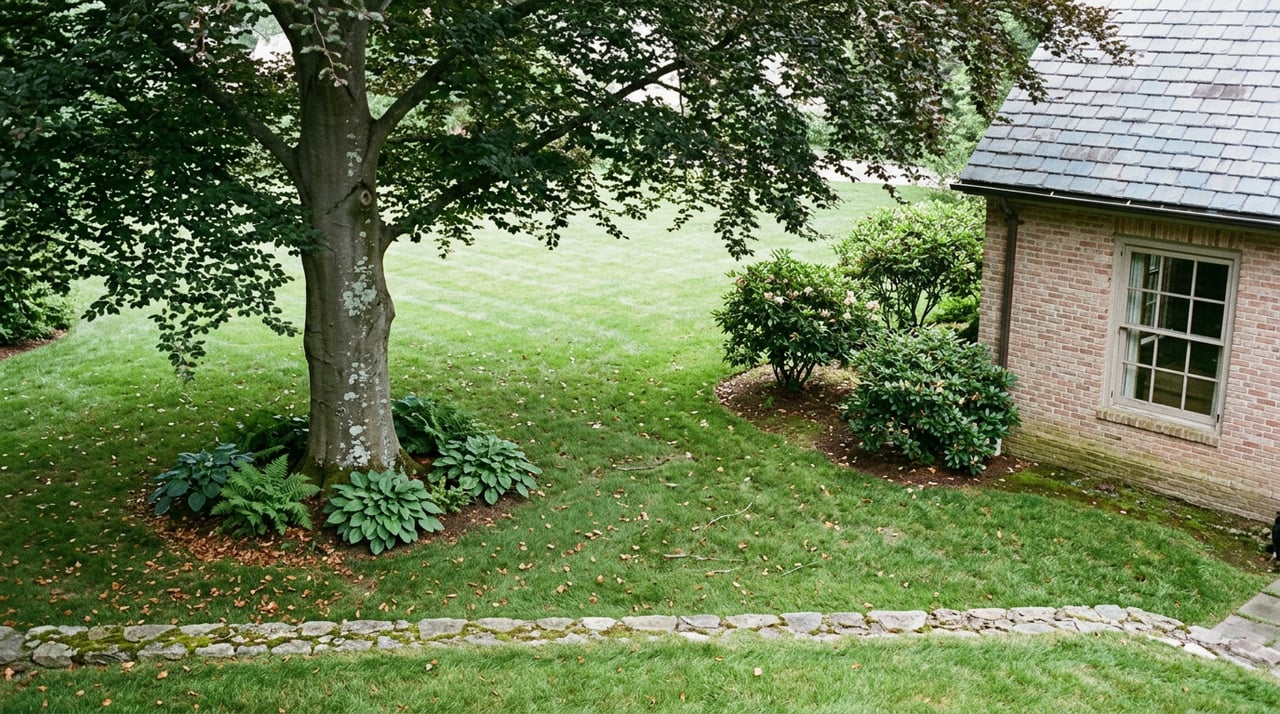
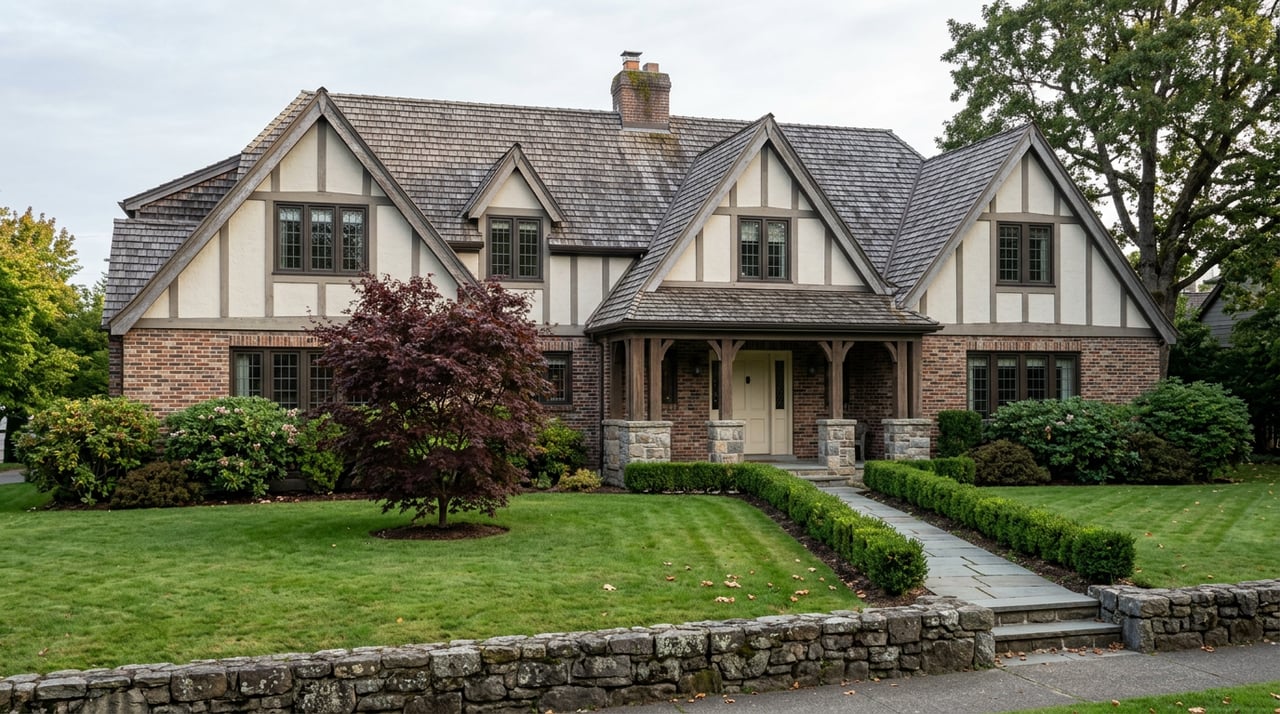
Walk any of the streets between the Arboretum and Madison Park and you notice the canopy before you notice the houses. Grand early-twentieth-century Tudors and traditionals sit back from the curb under decades of growth, the kind of mature trees that take a century to replace and about six months to lose entirely if you cut through the wrong branch on the wrong afternoon. That canopy is part of what makes Washington Park read as Washington Park. It is also, as of this year, a line item on the closing timeline that most comps never mention.
Seattle rewrote its tree code in 2023, and it quietly rewrote a piece of it again this past January. Neither update made much noise outside city planning circles, but both land differently on a neighborhood where the housing stock is defined by old growth and established lots than they do on a standard infill parcel. If you are buying, selling, or thinking about pulling a permit on a Washington Park property, the tree in the side yard is no longer just a landscaping asset. It is a regulatory fact you need to price into your plan.
Pull up Washington Park on different real estate data feeds and you will get wildly different pictures of the market. One broad neighborhood tag returns a median listing price in the high $700,000s, because it sweeps in condos and smaller units from the surrounding zip code. A narrower cut built around the actual core streets, the ones that border the Arboretum and blend into Broadmoor at one edge and Madison Park at the other, shows a median closer to $3.5 million, with active listings spanning roughly $2 million to nearly $16 million.
That spread is not a data error. It reflects a neighborhood where the product is genuinely inconsistent: a handful of grand estate lots with a century of tree growth sitting a few blocks from smaller, newer construction that looks nothing like it. A median price tells you almost nothing useful when the underlying inventory is this uneven. What actually differentiates a Washington Park property, and what a buyer or seller needs to plan around, is the lot itself and everything growing on it.
Seattle's current tree protection framework dates to Ordinance 126821, which took effect July 30, 2023. It replaced the old single category of "exceptional trees" with a four-tier system based on trunk diameter measured at standard height:
Removal of a protected tree is generally prohibited on both developed and undeveloped lots when no development is proposed, with narrow exceptions for hazard conditions that require SDCI approval first. When a tree of 12 inches or larger is removed under an approved permit, the property owner has to either replant on site or pay the equivalent value into the One Seattle Tree Fund.
Then, on January 21, 2026, Ordinance 127300 took effect and changed how the city calculates the "tree protection area" itself, the buffer zone around a tree's trunk that determines what can and cannot happen nearby during construction. The old concept of a "basic tree protection area" was deleted from the code outright. The replacement rules, now spelled out in subsections 25.11.060.A.3 and .4, govern the reductions and modifications required when an arborist proposes a protection zone and SDCI verifies it, and they specifically affect whether a Tier 2 tree can be removed to hit maximum lot coverage in Neighborhood Residential and Lowrise zones.
In practice, the protection area itself is calculated as a radius of one foot for every inch of trunk diameter. A mature maple with a 30-inch trunk carries a 30-foot protection radius as a starting point, before an arborist's proposed reductions come into play. On the kind of lot Washington Park is known for, that radius can swallow most of the buildable yard.
A tree that took eighty years to reach 30 inches doesn't get evaluated on how it looks in a listing photo. It gets evaluated in feet of protected radius, and that math was recalculated in January.
If you are prepping a Washington Park estate for market, the tree question needs to surface long before the photographer shows up. A pre-listing arborist assessment identifies which trees on the lot fall into Tier 1, 2, or 3, and whether any prior work on the property, pruning, removal, or storm damage cleanup, already triggered a notice requirement under the code. Washington's standard seller disclosure form is built on the seller's actual knowledge, which means a seller who is aware of past tree work or a pending SDCI notice should be prepared to speak to it honestly rather than assume the buyer's own inspection will surface it first.
For properties that also carry landmark or historic district status, the timeline compounds further. Exterior changes on a landmarked property, including certain kinds of tree and landscape work near the structure, may require a Certificate of Approval before anything begins. None of this is a reason to avoid listing a property with mature trees. It is a reason to build the calendar backward from a realistic prep window rather than a hopeful one. A practical planning horizon of six to twelve months before a Washington Park estate hits the market is not unusual once tree review, easement and survey confirmation, and any permit-sensitive work are factored in.
The mirror image of the seller's timeline problem is a buyer's assumption problem. It is easy to walk a Washington Park lot, notice a large tree blocking a lake view or shading a spot where a pool would go, and assume that once you own the property you can simply have it removed. Under the current code, that assumption is often wrong.
If no development is proposed, removal of a Tier 1, 2, or 3 tree is generally prohibited outright, hazard conditions aside. If you are planning an addition, a garage, or any permitted development, removal may be allowed, but only if the project meets the tree protection standards in SMC Chapter 25.11, which now include the recalculated protection-area rules from Ordinance 127300. That means the tree you are planning around today could constrain the footprint of the project you are planning for next year, and the arborist report you'd want before writing an offer is the same one a seller should already have prepared.
Do I have to replace a tree that's already dead or hazardous? Hazardous tree removal generally still requires SDCI approval before the work happens, even though the tree itself may not need to be replaced under the same terms as a healthy tree removed for development.
What is the One Seattle Tree Fund payment, exactly? It's the alternative to on-site replanting when a permitted removal can't reasonably be offset with a new tree on the same lot. The city directs those funds toward planting in neighborhoods with historically lower canopy coverage.
Does any of this apply if I'm not developing at all, just want a tree gone for view or safety reasons? Often, no exemption applies, since removal on both developed and undeveloped lots is generally prohibited without a development proposal, apart from documented hazard conditions reviewed by SDCI.
Washington Park's canopy is the reason the neighborhood photographs the way it does and the reason its estates hold the character they hold. It is also, now, part of the paperwork. Getting the arborist involved before the for-sale sign or the offer, not after, is the difference between a clean six-month timeline and a surprise that shows up during due diligence.
If you're weighing a purchase, a listing, or a renovation on a Washington Park lot and want a clear-eyed read on how the tree code factors into your specific timeline, James Campbell can walk through it with you. Let's Connect.
Stay up to date on the latest real estate trends.

Real estate, for me, is about obsessive and detailed customer service. Customer service is not just a strength of mine, it is my professional and personal North star. Whether you’re looking for your first, next, or moving from your current home, I look forward to helping you on your home buying or selling journey.