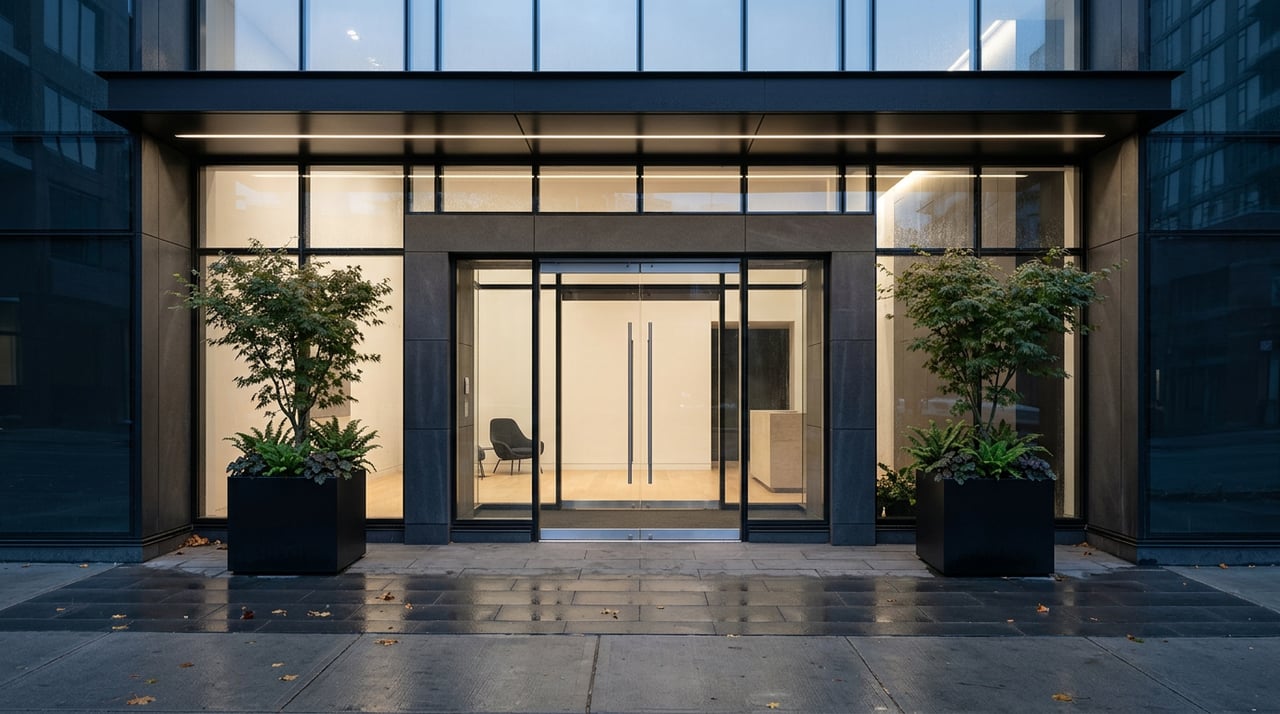
Downtown Seattle Condo Living: What Buyers Should Know
March 24, 2026
March 24, 2026
Imagine stepping out your front door and grabbing coffee, groceries, and a light-rail ride to the airport without getting in a car. That is the everyday rhythm of downtown Seattle condo living. If you are moving from renting to owning, you likely want clear answers on buildings, amenities, HOA costs, and what life feels like between Belltown, the Commercial Core, and Pioneer Square. This guide shows you the real, day-to-day experience, what to watch for on tours, and how to decide if a downtown condo fits your lifestyle. Let’s dive in.
Downtown is a collection of connected sub-districts that include the Commercial Core, Belltown, Denny Triangle, Pioneer Square, and the Chinatown–International District, with South Lake Union just next door. The Downtown Seattle Association’s center city overview places more than 108,000 residents in the broader center city, a figure that grew through the 2010s and 2020s. You feel that mix of residents, workers, and visitors most days.
Walkability is a headline feature. Core blocks often score in the high 90s on Walk Score’s Downtown page, which means daily errands are easy on foot. Transit is equally strong. Westlake and other downtown Link stations put you on the north–south spine and connect you to the airport and the region. You can preview service and station details on Sound Transit’s Westlake Station page.
On a typical Saturday, you might walk five minutes for produce at Pike Place Market, then stroll the Overlook Walk to the water. The city has invested in new waterfront public spaces that add room to breathe. The official visitor guide highlights the Overlook Walk, Waterfront Park, and Olympic Sculpture Park, which many condo owners use as their backyard.
Evenings offer a wide range of options. Belltown, Pioneer Square, and the Pike–Pine corridor host restaurants, bars, galleries, and venues. That energy is a draw, but it also means weekend crowds and later noise at street level. If you want quiet, target higher floors, interior courtyard exposures, or buildings known for solid soundproofing.
Weekday patterns shift with office schedules and events. As in-person work picked up in 2024, more people returned to both transit and driving. Commute Seattle’s latest survey shows a blended pattern, where you might ride Link one day and drive or rideshare the next depending on meetings and timings. You can scan the 2024 Commute Seattle survey for the bigger picture.
You will find three broad styles of buildings downtown. Each has a distinct feel and cost profile.
In Pioneer Square and near the Market, historic warehouses and brick buildings hold lofts with exposed beams and character. These homes can be inspiring work-from-home spaces. With older masonry, it is smart to ask about seismic history. Seattle’s guidance on unreinforced masonry buildings explains why retrofit history matters.
Mid-rise condos in Belltown and the lower Commercial Core often trade lavish amenities for a tighter, community feel. Expect features like rooftop decks, a small fitness room, package lockers, bike storage, and maybe a resident lounge. HOA dues vary depending on what is included, but mid-rise buildings can be a practical way to balance costs and location.
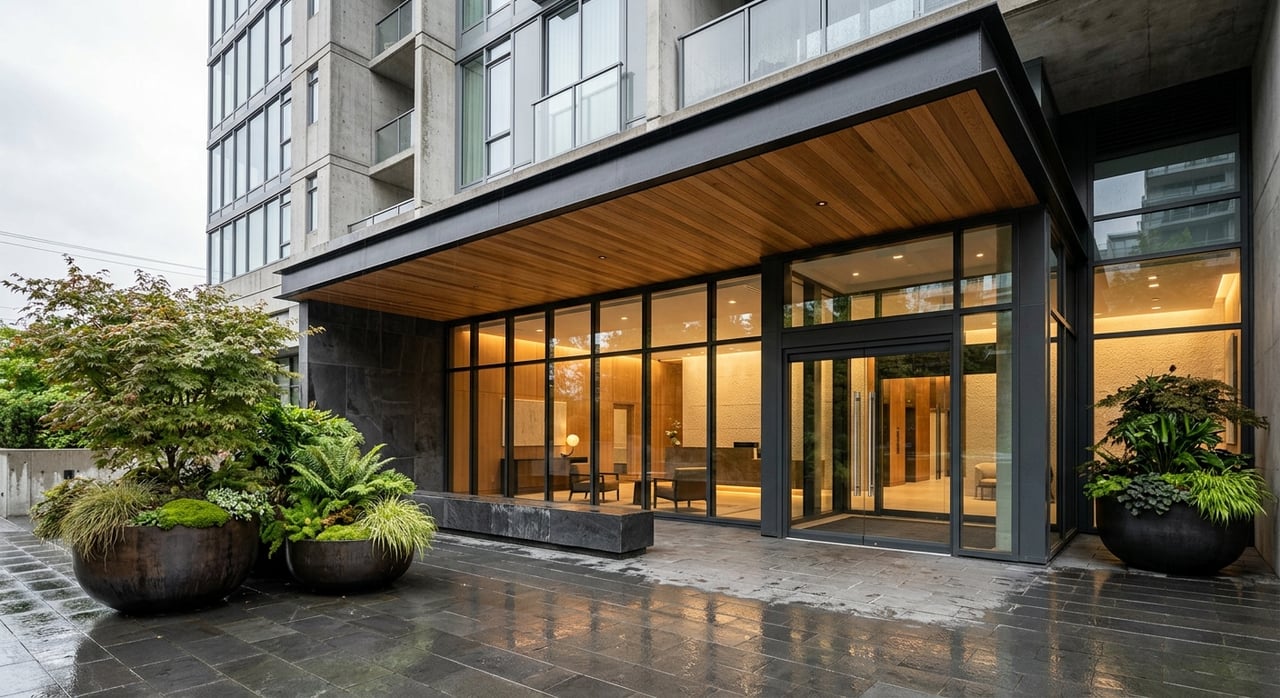
Premium towers deliver larger floor plans and extensive amenity stacks. Typical offerings include 24-hour concierge, full gyms, indoor and outdoor lounges, guest suites, and sweeping views. These towers usually carry higher HOA dues that reflect staffing, building insurance, utilities included, and amenity upkeep.
Across building types, you will commonly see a secure lobby, package systems, a fitness center, bike storage, and shared terraces. As work-from-home habits stick, buyers increasingly value quiet coworking rooms, strong in-unit connectivity, and EV charging. Industry research shows rising interest in EV and health-forward features, a trend summarized in this amenity report.
Monthly HOA dues can range from the low hundreds to well over $1,000 per month, depending on building age, staffing, insurance, utilities included, and amenity level. In high-service towers, dues reflect concierge teams and extensive common areas. In any building, ask for the reserve study, recent meeting minutes, and a clear list of what the dues cover. Recent downtown listings show how wide the spread can be, so compare apples to apples.
Many downtown buyers choose car-light living. If you keep a car, confirm whether parking is deeded, assigned, or rented monthly. Garages downtown commonly run from the low hundreds per month to around the 300-dollar range for monthly contracts, with event pricing on top. You can scan typical monthly options through services like SpotHero’s downtown parking page.
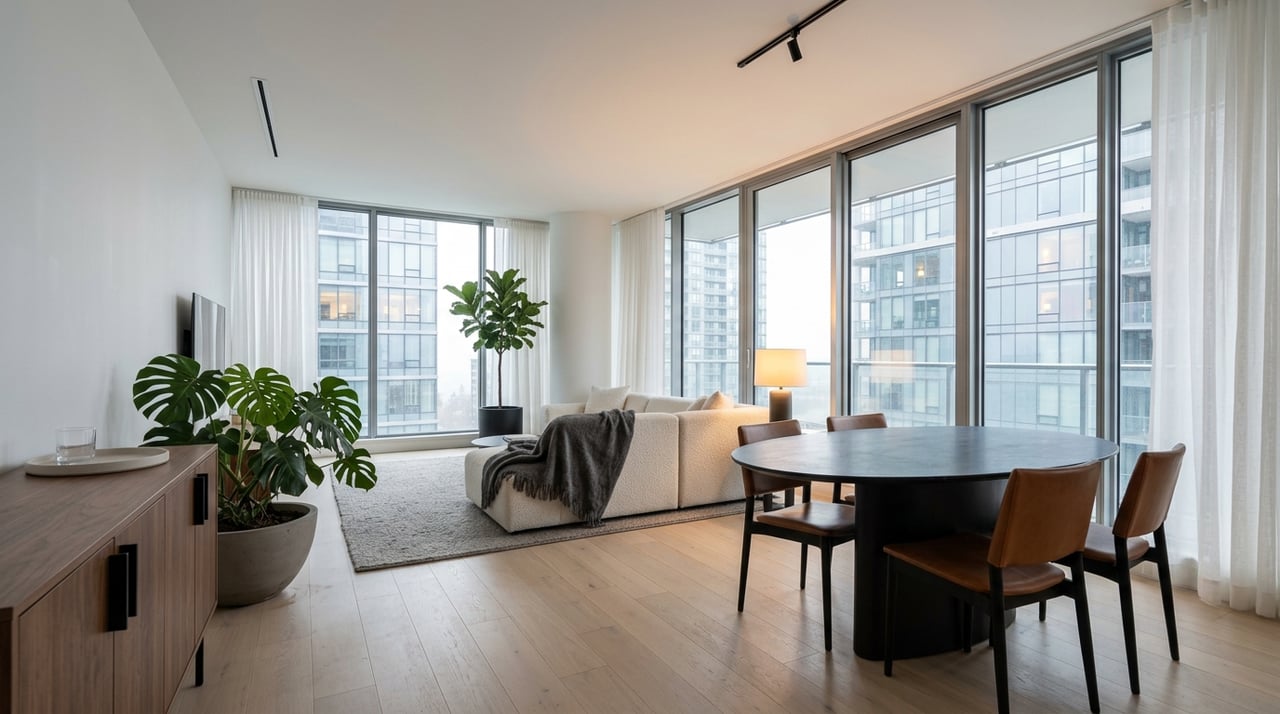
Downtown living trades a yard for shared amenities and location. Expect more delivery activity, elevator trips, and street life outside. Some units have balconies, though private outdoor space is limited compared to single-family homes. When you tour, check elevator wait times at peak hours and ask about loading docks and service elevators.
If you love historic buildings, verify structural upgrades and insurance details early. Seattle has studied retrofit needs for older brick buildings, and future policies could shape assessments. Use the city’s URM resource to frame the right questions with your lender and HOA.
You can live car-free downtown thanks to strong walkability and regional transit. Many core blocks rate in the high 90s on Walk Score. Link light rail runs through the downtown tunnel, with Westlake Station as a key hub. Ferries leave from Colman Dock, and King Street Station connects you to Sounder and Amtrak. For daily routines, many residents switch between walking, transit, and rideshare based on weather and schedules.
Safety varies by block and time of day in any dense urban core. Review incident maps and trends on the City’s SPD crime data portal, then visit buildings at different times to see the feel for yourself. Building staff can explain access controls, cameras, and package handling.
Center city recovery has been underway, with ongoing investment in public spaces, events, and retail. The Downtown Seattle Association’s reporting tracks improvements in foot traffic and activation. Local coverage notes progress along with areas that need work, a balanced view captured by this Seattle Times article on downtown’s recovery. These trends matter for convenience and long-term resale.
You may want a different fit if you need large private outdoor space, a garage attached to your unit, or daytime quiet that rivals the suburbs. If dues sensitivity is a concern, make reserve studies and assessment history a key part of your review.
Use this quick list to get the full picture during tours and the review window:
Building health
Structure and safety
Day-to-day function
Location and transit
Owning a downtown Seattle condo rewards you with walkable convenience, culture, and views. The tradeoffs are real, from HOA dues to weekend noise, which is why careful building review and block-by-block touring matter. With a clear plan, you can find the right floor, amenity mix, and monthly budget that fit your life.
If you want a calm, data-backed path to a downtown condo, reach out to James Campbell Real Estate Broker. We will help you compare buildings, review HOA health, and map your daily routine so your decision is confident and clear.
Stay up to date on the latest real estate trends.

Real estate, for me, is about obsessive and detailed customer service. Customer service is not just a strength of mine, it is my professional and personal North star. Whether you’re looking for your first, next, or moving from your current home, I look forward to helping you on your home buying or selling journey.