Stevens Seattle Homebuyer Guide: Costs, Homes, and Tradeoffs
April 2, 2026
April 2, 2026
If you want a central Seattle neighborhood with classic character, green space nearby, and a wider range of price points than you might expect, Stevens deserves a closer look. Buying here can feel exciting and a little tricky at the same time because block-by-block differences, housing style, and renovation risk all matter. This guide will help you understand what Stevens offers, how pricing compares, and what to watch for before you buy. Let’s dive in.
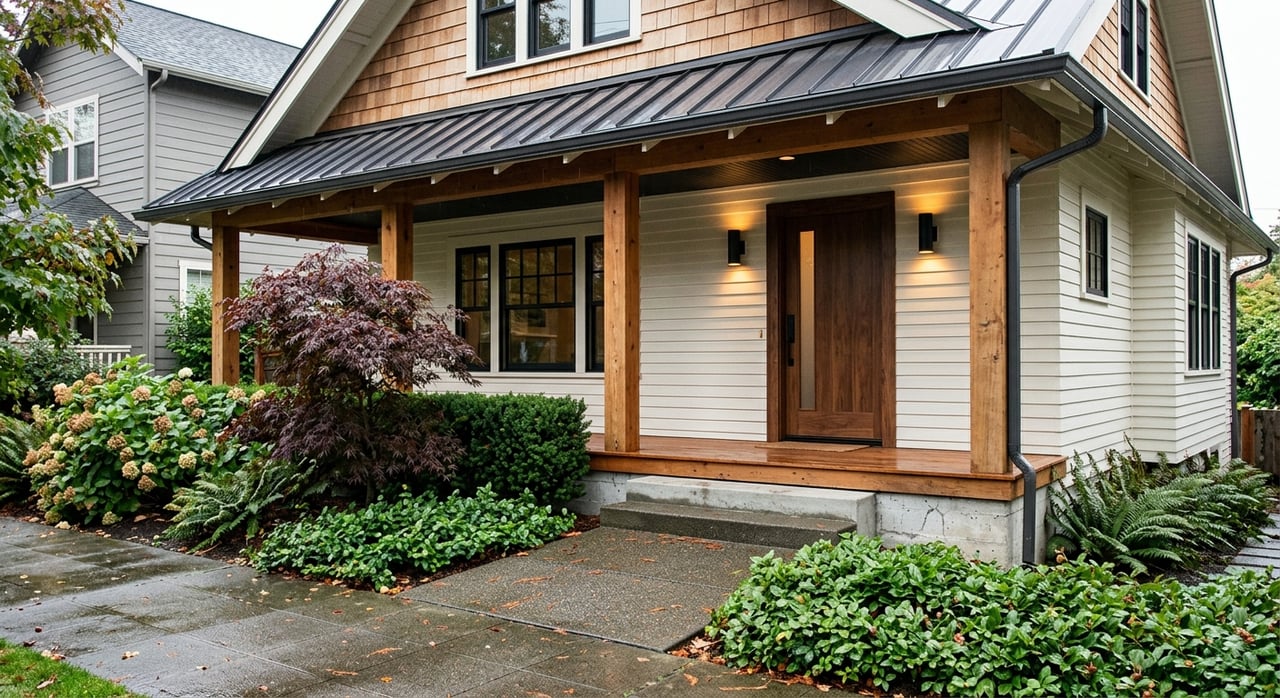
Stevens is a north Capitol Hill residential pocket known for its early-20th-century layout of large homes on relatively small lots, apartment houses, and a mix of housing that feels both grand and intimate, according to HistoryLink’s neighborhood history. In practical terms, that means you are not looking at a one-note housing market.
You will find vintage homes, condos, townhouses, and a small multifamily presence in the area, which gives buyers more flexibility than in some nearby neighborhoods. If you want older-home character in a central location without automatically shopping at the very top of the central Seattle price spectrum, Stevens can be a strong fit.
Another part of the appeal is access to nearby green space. Seattle Parks highlights Volunteer Park and Interlaken Park as key nearby destinations, with Volunteer Park home to the conservatory and the Seattle Asian Art Museum, and Interlaken offering a densely wooded setting on the north end of Capitol Hill.
If you are trying to set expectations, Stevens currently sits above Seattle’s citywide median sale price. Redfin reports a February 2026 median sale price of $1,049,950 in Stevens, up 10.3% year over year, with a median of 13 days on market.
That compares with a citywide Seattle median sale price of $850,000 during the same period. In other words, Stevens tends to command a premium for its central location, neighborhood character, and housing mix.
Still, the headline median does not tell the whole story. One of the most important things for buyers to understand is that Stevens has meaningful price variation depending on property type.
For many buyers, condos and co-ops create the most accessible entry point into the neighborhood. On Redfin’s Stevens condo page, the median listing price is $350,000, with current examples ranging from about $280,000 to $615,000.
If you want to prioritize location and lower upfront cost over square footage or private outdoor space, this segment is worth close attention. It can be especially useful for first-time buyers who want to get into central Seattle without stretching into detached-home pricing.
Townhouses sit in the middle of the Stevens price ladder. Current Redfin townhouse-related pricing on the condo page points to a median listing price around $1.01 million, with examples roughly between $949,000 and $1.20 million.
For some buyers, that means a newer-feeling layout or lower-maintenance setup than a vintage detached home, while still keeping a foothold in a highly central location. If you want more space than a condo but do not want the full upkeep profile of an older house, this can be a practical middle ground.
Detached homes are where Stevens’ classic identity shows up most clearly. Current Redfin examples of two-bedroom homes include a home near Interlaken Park around $1.05 million and a 1919 colonial around $1.55 million that is being marketed for updating or a larger addition.
This is also where buyers need to be thoughtful about condition, systems, and future project costs. A beautiful older home can offer charm and long-term upside, but it may also come with renovation decisions that affect your budget well beyond the purchase price.
Stevens makes the most sense when you compare it with nearby central Seattle options. Based on current Redfin neighborhood market data for Capitol Hill, Stevens sits above Capitol Hill’s median sale price of $594,500 and above Madison Valley’s $905,000, while remaining below Madrona at $1,277,500 and Montlake at $1,485,000.
That puts Stevens in an interesting middle position. It is not the cheapest choice in this cluster, but it also does not automatically push you into the higher pricing seen in some nearby premium neighborhoods.
For buyers, that often translates to a simple question: do you want central access and older-home character, but with a better chance of staying below the top tier of nearby pricing? If the answer is yes, Stevens is worth serious consideration.
Stevens is not just about housing style. Location is part of the value equation too, especially if you split time between Seattle and the Eastside.
A current Redfin neighborhood overview for Stevens notes proximity to the University of Washington and the SR-520 bridge. For buyers who commute eastbound, that can be an important advantage compared with other close-in Seattle neighborhoods.
Transit also plays a role. Current King County Metro Route 12 schedules show service between Interlaken Park, Lower Capitol Hill, and Downtown Seattle, and the research also identifies Routes 8 and 43 as key nearby transit anchors serving Seattle Center, Capitol Hill, the Central District, Mount Baker, the University District, Montlake, and First Hill.
That said, everyday convenience in Stevens can vary by block. An Apartments.com local guide notes hilly terrain, scarce street parking, and congestion on East Madison, which are practical details worth factoring into your search.
Two homes with the same zip code can live very differently day to day. One block may feel easier for transit, parking, and daily errands, while another may offer a quieter residential feel or better proximity to parks.
That is why buyers should evaluate not only the home itself, but also the immediate street context. In a neighborhood like Stevens, small location differences can have an outsized impact on how convenient the home feels after move-in.
If you are drawn to older homes, Stevens offers real renovation potential. HistoryLink notes that many early Capitol Hill homes were built on small lots and that the area includes both large houses and apartment buildings, which helps explain why some listings today are marketed with updating or expansion potential.
This can be an opportunity if you want to personalize a home over time. It can also be a risk if you underestimate project cost, permitting complexity, or parcel-specific limitations.
Before you commit to a major remodel, the research recommends checking Seattle’s zoning map books and the city’s landmarks map for property-specific constraints. That step is especially important in older neighborhoods where age, lot size, and historical context can affect what is feasible.
If you are considering a vintage property in Stevens, focus on a few practical questions early:
These questions can help you separate a promising opportunity from a home that could become more work than you want.
For most buyers, Stevens becomes easier to evaluate when you break the neighborhood into three housing lanes. The research-supported framework is straightforward: condo and co-op inventory is the entry tier, townhouse inventory is the middle tier, and detached or vintage houses are the classic Stevens option for buyers who are comfortable budgeting for renovation risk.
That framework matters because it keeps you from comparing very different product types as if they should deliver the same value. A condo purchase here solves a different problem than a townhouse or a detached home, even when all three share the same neighborhood name.
Stevens is best suited to buyers who want a central Seattle location, appreciate older-home character, and like having several property types to compare. It can work well whether you are buying your first home, moving into a more established neighborhood setting, or looking for a property with long-term improvement potential.
The key is to stay clear-eyed about your priorities. If you value charm, access, and proximity to parks, Stevens has a lot to offer. If you also need easy parking, a very flat setting, or a fully updated detached home at a lower price point, you may need to search carefully and stay flexible.
With the right strategy, Stevens can offer a compelling balance of location, character, and choice. If you want a local, detail-driven partner to help you compare homes, evaluate tradeoffs, and navigate the buying process with confidence, connect with James Campbell Real Estate Broker.
Stay up to date on the latest real estate trends.

Real estate, for me, is about obsessive and detailed customer service. Customer service is not just a strength of mine, it is my professional and personal North star. Whether you’re looking for your first, next, or moving from your current home, I look forward to helping you on your home buying or selling journey.