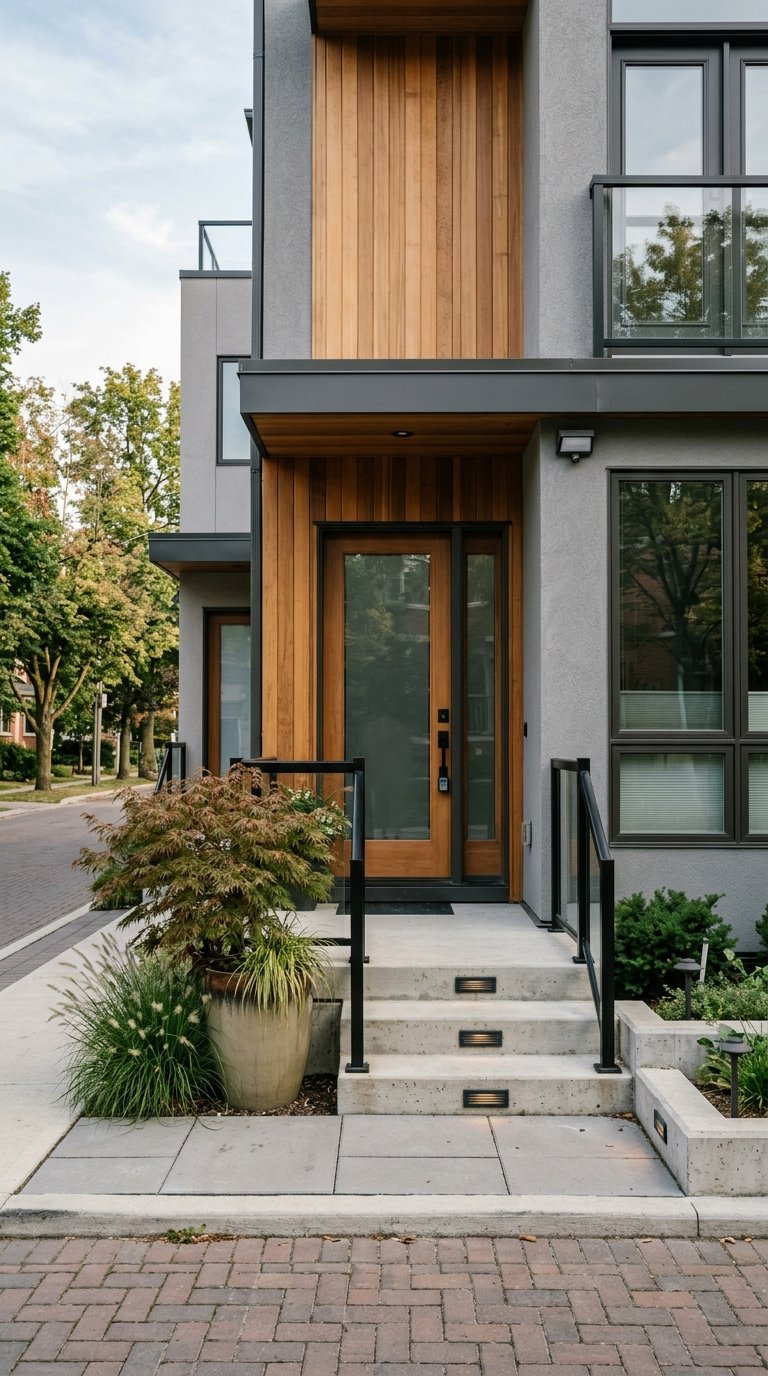
Kirkland Neighborhoods for First-Home Buyers
May 14, 2026
May 14, 2026
If you’re buying your first home in Kirkland, one question matters more than almost anything else: which neighborhood actually fits your life and budget? Kirkland can look like one market from the outside, but once you start comparing areas, the differences become clear fast. In this guide, you’ll get a practical way to compare Kirkland neighborhoods for a first home, from price and housing type to walkability, parks, and commute convenience. Let’s dive in.
Kirkland is best understood as a group of smaller submarkets rather than one uniform city. The city’s neighborhood framework and downtown urban center maps show a lakefront core around Greater Downtown Kirkland, while King County’s Area 74 report defines the downtown waterfront zone between Lake Washington, NE 116th Street, I-405, and SR 520.
That matters because your first-home options can change a lot from one area to the next. In March 2026, Kirkland’s citywide median sale price was about $1.375 million, and homes were selling in roughly 13 days, which points to a premium, fast-moving market even before you narrow your search.
For most first-time buyers, the best neighborhood is not just about the home itself. It is about how you want to live every day, including where you run errands, how often you drive, whether you want to be near the water, and what kind of home you want for your budget.
A helpful way to compare Kirkland is to focus on five factors:
If you want the most walkable first-home experience in Kirkland, Downtown is the clearest place to start. This area is the city’s most transit-oriented and pedestrian-friendly district, with homes that are largely condos and apartments near retail, while detached houses are rare.
Homes.com reports a 12-month median sale price of $954,750 for Downtown Kirkland. Current examples have included condos in roughly the mid-$500,000s to mid-$700,000s, while larger homes and townhomes can climb well above $1 million.
For lifestyle, this is one of the easiest areas to picture. Marina Park and Peter Kirk Park sit at the heart of downtown, and Peter Kirk Park is right next to the Kirkland Transit Center. If your ideal first home means being close to cafes, waterfront parks, and bus access, Downtown stands out.
Downtown tends to fit buyers who want:
Totem Lake is one of the most practical places for first-time buyers to look in Kirkland. It offers a wider mix of housing options, including condos and newer townhome-style homes, and it often appeals to buyers who want convenience without paying downtown-adjacent premium prices.
In March 2026, Redfin showed a median sale price of about $1.124 million in Totem Lake, with homes selling in around 38 days. That longer timeline compared with the citywide pace can give buyers a bit more breathing room, depending on the specific property.
The lifestyle draw here is also strong. The Village at Totem Lake includes about 400,000 square feet of mixed-use retail with a grocery store, theater, restaurants, plazas, offices, and regular events. The Cross Kirkland Corridor also runs through the business district, adding trail-based mobility and another layer of convenience.
Totem Lake often makes sense if you want:
South Juanita offers a different kind of first-home appeal. It gives you access to the lake and a neighborhood-centered routine, but with a less dense feel than downtown.
Redfin showed a March 2026 median sale price of about $1.15 million in South Juanita, with homes averaging roughly 72 days on market. For buyers who want some room to think and compare options, that pace may feel more manageable than the fastest parts of Kirkland.
Juanita Beach Park is a major part of the neighborhood’s appeal. The park spans 21.9 acres with 1,000 feet of shoreline, plus trails, a swimming beach, courts, a playground, and the seasonal Juanita Friday Market. Juanita Village adds nearby cafes, shops, and restaurants, which helps support a convenient day-to-day lifestyle.
South Juanita may be a strong fit if you want:
If your first-home goal is a detached house in a close-in location, East of Market deserves a careful look. This area offers a more classic residential feel near downtown, with a mix of older and newer homes and a broader range of property styles.
The city’s Market Neighborhood Plan describes the larger market-adjacent area as a mix of old and new housing stock, including accessory dwelling units, duplexes, triplexes, and cottage-style development. It also notes easy access to shops, transit, and five neighborhood parks.
Pricing can vary a lot here. Recent Redfin sales ranged from about $1 million for a smaller home to $2.95 million for larger updated houses. That wide spread means you need to evaluate each home carefully based on lot, condition, updates, and long-term potential.
The city also notes some missing sidewalk segments and on-street parking pressure in the area. For many buyers, that makes East of Market more about opportunity and character than uniformity.
This area tends to work best if you want:
Some Kirkland neighborhoods are usually less practical for a first-home search unless you have a larger budget. Central Houghton, West of Market, and Norkirk all tend to sit at higher price points.
Central Houghton posted a March 2026 median sale price of about $2.024 million, with homes selling in roughly 12 to 13 days. Recent sales ranged from about $1.9 million to $4.5 million.
West of Market listings have ranged from roughly $1.15 million for townhome-scale properties to more than $9 million for waterfront and luxury homes. Norkirk showed a March 2026 median sale price of $1.98 million, with an average of about 82 days on market.
For most first-time buyers, these areas are more often move-up or luxury markets than starter-home targets. They can still be useful reference points when you’re comparing value across Kirkland.
Transit access in Kirkland is strongest in and around Downtown and market-adjacent areas. The city’s transportation resources highlight bus service, bike routes, parking, and commute tools, while neighborhood-level information points to the Kirkland Transit Center as a key asset for Downtown.
King County’s Area 74 report also emphasizes regional access through I-405, SR 520, and nearby bus lines. If your commute takes you toward Seattle or the Eastside, these connections can shape which area feels most practical.
There is also future transit improvement on the way. Sound Transit says the redesigned NE 85th Street interchange in Kirkland is expected to include an inline Stride station opening in 2026, while the larger Stride S1 and S2 lines are scheduled for 2028 and 2029. King County Metro also says the RapidRide K Line is planned by 2030 to connect Totem Lake Transit Center, downtown Kirkland, downtown Bellevue, and Eastgate Park-and-Ride.
For now, the practical takeaway is simple: Kirkland is still mostly a car-and-bus market today, but downtown, Totem Lake, and the NE 85th corridor could become even more connected over time.
In Kirkland, buyers often choose neighborhoods based on daily routine as much as home features. The city’s strongest retail clusters are in Downtown Kirkland, Kirkland Urban, The Village at Totem Lake, and Juanita Village.
That concentration matters because it changes how easy everyday life feels. If you want to walk to coffee, pick up groceries nearby, or spend weekends near the water or on trails, neighborhood fit becomes more than a map exercise.
Downtown buyers may gravitate toward Marina Park, a 3.6-acre waterfront park with a sandy beach, boat launch, dock, pavilion, public art, concerts, and civic events. Peter Kirk Park adds recreation and community amenities near the transit core. In the Market area, the city highlights parks including Heritage, Lake Avenue West, Waverly, Kiwanis, and Juanita Bay.
If you are deciding where to focus first, this framework can help:
The right answer depends on how you live, not just what looks best on a listing app. For a first home in Kirkland, the smartest move is usually to match your budget to the neighborhood that best supports your everyday routine.
If you want help comparing Kirkland neighborhoods with a clear plan and data-backed guidance, James Campbell Real Estate Broker offers a service-first approach designed to help first-time buyers move with confidence.
Stay up to date on the latest real estate trends.


Real estate, for me, is about obsessive and detailed customer service. Customer service is not just a strength of mine, it is my professional and personal North star. Whether you’re looking for your first, next, or moving from your current home, I look forward to helping you on your home buying or selling journey.