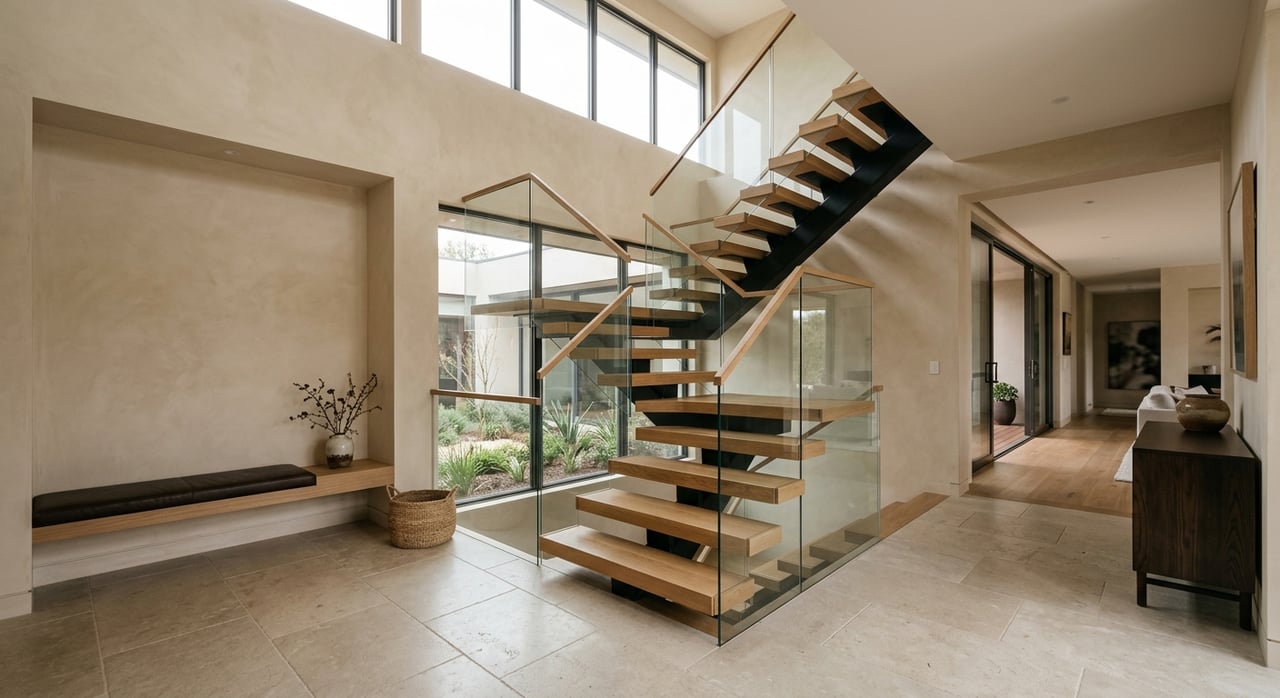
Coordinating A Buy And Sell In Bellevue’s Competitive Market
June 4, 2026
June 4, 2026
Trying to buy your next home while selling your current one in Bellevue can feel like solving a puzzle on a stopwatch. Homes here move fast, prices are high, and one mistimed step can affect your budget, leverage, and stress level. The good news is that with the right sequence, clear numbers, and strong coordination, you can make smart decisions with fewer surprises. Let’s dive in.
Bellevue remains a fast-moving market with high stakes on both sides of the transaction. As of April 30, 2026, Zillow reported an average Bellevue home value of $1,527,243, and homes were going pending in about 9 days. Redfin also described Bellevue as very competitive, with homes selling in around 7 days and receiving 3 offers on average.
That pace matters when you are trying to line up two closings. Even though NWMLS reported that King County active listings were up nearly 29.97% year over year in April 2026, months of inventory was still only 3.0. In practical terms, you may have a bit more choice than last year, but timing and presentation still matter.
Financing adds another layer. Freddie Mac reported the average 30-year fixed mortgage rate at 6.53% for the week ending May 28, 2026. At that rate, carrying two homes for even a short period can get expensive quickly.
There is no single right answer for every household. The best path depends on your equity, cash reserves, risk tolerance, and how flexible your move dates can be.
This is often the lowest-risk option. If you need the equity from your current home for your down payment, or you want to avoid the pressure of two mortgage payments, selling first can create more certainty.
The tradeoff is convenience. You may need temporary housing, a short-term rental, or a rent-back agreement so you can stay in your current home after closing for a defined period. In Bellevue, that planning matters because Zillow reported average rent at $2,688 in April 2026, which can become a real budget item.
This path can work well if you have substantial equity, strong reserves, or access to bridge financing through your lender. It gives you time to shop carefully and move once, rather than rushing to find a replacement home after your sale closes.
That said, buying first is not a free pass around the math. Fannie Mae notes that bridge or swing loans can be an acceptable source of funds in certain cases, but the lender still needs to document your ability to carry the new home, your current home, the bridge loan, and your other obligations. This strategy can be useful, but it only works when the numbers are truly comfortable.
For many Bellevue move-up clients, this is the cleanest outcome. If your current home is already under contract, or if both transactions can be tightly coordinated with escrow, title, and your lender, near-simultaneous closings can limit disruption.
This option sounds ideal because it often is. But it requires careful calendar management and a backup plan in case one closing slips by a few days. In a competitive market, those small timing gaps can have a big ripple effect.
When you are buying and selling at the same time, contingencies become some of your most important tools. They can protect you, but they can also make an offer less attractive in a market where many homes still draw multiple offers.
A home-sale contingency lets you buy your next home only if your current home sells first. This gives you a strong safety net, especially if you need your sale proceeds for the next purchase.
The challenge is competitiveness. In Bellevue, where Redfin reports multiple-offer conditions and some waived contingencies, a home-sale contingency may weaken your position against cleaner offers. If a seller does accept this structure, the seller may still ask to continue showing the property, and a kick-out clause may allow them to move on to a stronger offer if you cannot remove the contingency in time.
A home-close contingency is often cleaner than a home-sale contingency. It is typically used when your current home is already under contract and you just need that sale to close before your purchase closes.
This can be easier for a seller to accept because the sale is farther along. Still, the dates need to be written clearly, and you need a plan if your sale closing gets delayed.
These standard terms still matter in a buy-and-sell move. Each one changes the balance between flexibility and certainty.
In Bellevue, the strongest offer is not always the one with the highest price. Sometimes it is the offer with the cleanest terms, realistic timelines, and fewer unknowns. That is why the right structure should match both your goals and your actual tolerance for risk.
A bridge loan can be useful if you want to buy before your current home sells and you have enough income and reserves to qualify. It may help you access equity without waiting for your sale to close.
But bridge financing should be treated as a strategy tool, not a shortcut. Fannie Mae guidance makes clear that lender underwriting still matters, and your ability to carry all related obligations has to be documented. In other words, it can create flexibility, but it should not create financial strain.
One of the simplest ways to coordinate a buy and sell is a rent-back agreement. This allows you to sell your current home, close the sale, and then remain in the property for a set period while you finalize your purchase or move.
This can relieve pressure if your home sells quickly before your next home is ready. The key is to negotiate the details clearly, including the rent amount and the final move-out date. When handled well, a rent-back can turn a stressful gap into a manageable transition.
If you are juggling a sale and a purchase at the same time, your prep plan should be efficient and high impact. Usually, that means focusing on presentation, condition, and marketing basics that help your home move quickly.
According to NAR’s 2025 staging report, 83% of buyers’ agents said staging made it easier for buyers to visualize a property as a future home. The rooms they said mattered most were the living room, primary bedroom, and kitchen.
That does not mean you need a major remodel before you list. The same report supports a lighter approach for many sellers, such as decluttering, addressing visible property faults, and improving the home’s presentation. For a Bellevue homeowner trying to coordinate both sides of a move, that is often the smartest use of time and money.
A practical prep plan often includes:
Digital presentation matters too. NAR reported that buyers place importance on photos, physical staging, videos, and virtual tours, which is especially relevant when your goal is to attract strong interest quickly.
One of the biggest mistakes in a buy-and-sell move is waiting too long to estimate your true proceeds. In Washington, seller closing costs can materially affect what you have available for your next down payment, reserves, and moving plan.
A major item is real estate excise tax, or REET. King County states that the seller typically pays REET and that it must be paid before recording. The Washington Department of Revenue shows a graduated state REET rate structure of 1.10% up to $525,000, 1.28% from $525,000.01 to $1,525,000, 2.75% from $1,525,000.01 to $3,025,000, and 3% above that.
Because Bellevue sale prices often fall near or above the lower thresholds, this tax can make a real difference in your final numbers. That is why an early net-sheet conversation can be so helpful. It gives you a clearer picture of available equity, your comfort level if you need to carry two homes briefly, and whether a sell-first, buy-first, or bridge strategy makes the most sense.
If you are unsure where to start, focus on three questions:
The best Bellevue plans are rarely improvised. They are built around real numbers, realistic dates, and a clear backup option if the market moves faster or slower than expected.
A well-managed buy-and-sell move is really a coordination project. It takes pricing strategy, prep guidance, vendor timing, lender communication, and day-by-day attention to detail. If you want a calm, highly organized plan for your next move in Bellevue, connect with James Campbell Real Estate Broker.
Stay up to date on the latest real estate trends.





Real estate, for me, is about obsessive and detailed customer service. Customer service is not just a strength of mine, it is my professional and personal North star. Whether you’re looking for your first, next, or moving from your current home, I look forward to helping you on your home buying or selling journey.