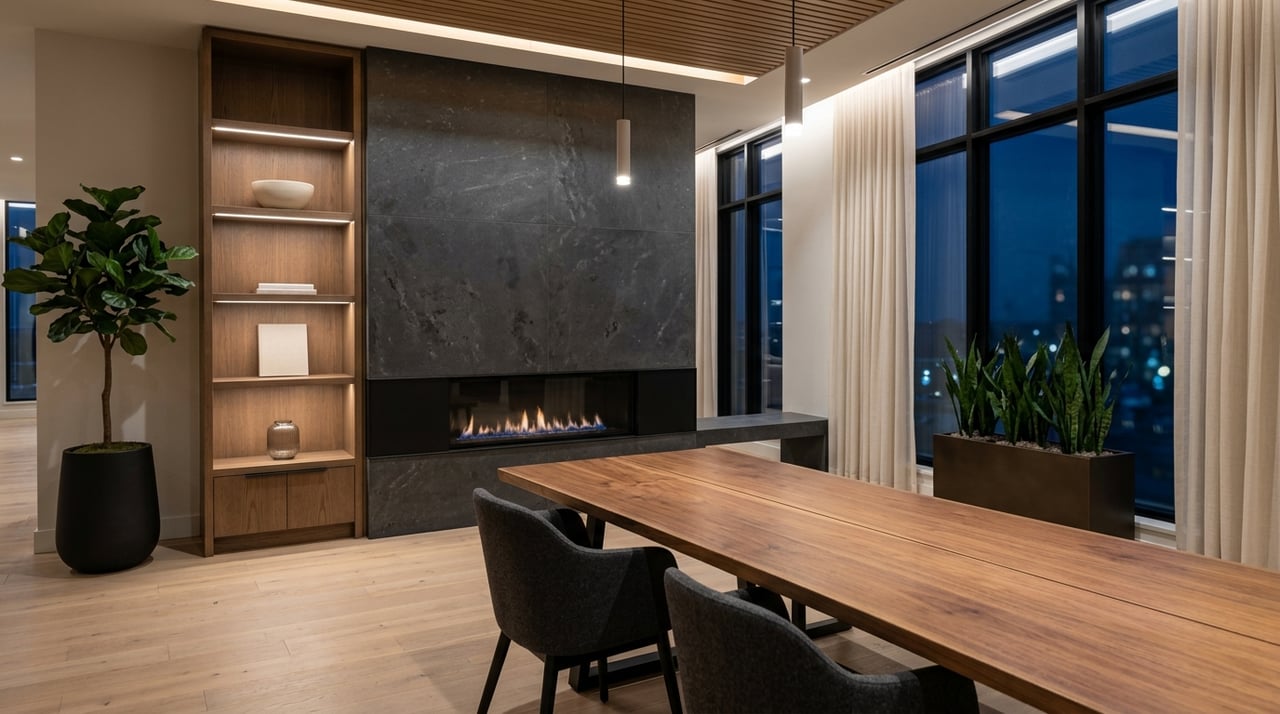
Is Downtown Bellevue High-Rise Living Right for You?
May 28, 2026
May 28, 2026
If you are thinking about a high-rise home in Downtown Bellevue, you are probably looking for more than just a view. You want a daily routine that feels easier, a location that keeps key destinations close, and a building that matches how you actually live. This guide breaks down what high-rise living in Downtown Bellevue really looks like, from lifestyle and amenities to transit, parks, and the differences between tower types. Let’s dive in.
Downtown Bellevue is not just a cluster of tall residential buildings. The City of Bellevue describes it as the city and region’s primary economic and employment center, and also Bellevue’s fastest-growing residential neighborhood.
That mix matters if you want an urban lifestyle with real day-to-day convenience. Downtown had 15,657 residents and 9,881 housing units in the city’s current neighborhood profile, and the broader downtown area also supports a major daytime population tied to jobs, retail, dining, and civic spaces.
In practical terms, that means you are choosing a neighborhood built for both living and activity. Instead of relying on one amenity deck to define your lifestyle, you have access to a compact urban core with parks, transit, shopping, restaurants, and public gathering spaces nearby.
One of the biggest draws of Downtown Bellevue high-rise living is how much can happen within a relatively compact area. The city’s wayfinding system, walkability language, and concentration of destinations all point to a downtown designed to help people move between errands, dining, recreation, and transit without treating every trip like a major outing.
For many residents, that changes the rhythm of the day. A coffee run, a park walk, dinner plans, and a stop at a retail destination can all fit into the same neighborhood routine.
Bellevue Downtown Park is one of the clearest lifestyle anchors in the area. The 21-acre park includes a promenade, waterfall, reflecting pond, lawn, playgrounds, and event space right in the middle of the city.
If water access matters to you, Meydenbauer Bay Park adds another layer to downtown living. The expanded park opened in 2019 and includes a large beach, curved pier, beach house, and improved waterfront connections, with additional phases still planned by the city.
Together, these spaces help balance the vertical feel of tower living. You can enjoy a more urban home base without giving up access to open air, lakefront scenery, and outdoor public space.
Downtown Bellevue also offers one of the region’s most concentrated mixes of retail and dining. The Bellevue Collection says it includes more than 200 shops, 50 restaurants and entertainment venues, 1,100 luxury hotel rooms, and 12,500 free retail parking spaces.
The city also points to Old Bellevue on Main, the Bellevue Collection, the Bravern, and specialty stores and restaurants as key year-round downtown destinations. If you value convenience, this is an important part of the appeal.
Instead of driving across multiple neighborhoods for basics, social plans, or weekend browsing, you have many options clustered in one core area. That density is part of what gives Downtown Bellevue its live-work-play feel.
Not all high-rises in Downtown Bellevue deliver the same experience. One of the most useful ways to compare buildings is by service model, not just by floor plan or square footage.
In many cases, the biggest difference is whether a tower feels hospitality-driven, owner-oriented, or more like a traditional luxury apartment community. That affects everything from the lobby atmosphere to how much of your lifestyle happens inside the building versus out in the neighborhood.
Some towers lean heavily into hotel-style service. Avenue Bellevue is the clearest example in the current downtown mix, pairing residences with the InterContinental Seattle Bellevue hotel.
According to Avenue Bellevue, the hotel includes more than 200 guest rooms, ballroom space, a lobby bar, a gym, and a dedicated valet and concierge team. The residences add concierge service, a modern lounge, outdoor terrace seating, a pet grooming station, and a fitness room with cardio and spin equipment, free weights, and a yoga room.
If you want a more polished, service-rich environment, this kind of building may feel especially appealing. It is the most hospitality-forward version of Downtown Bellevue living described in current building materials.
Other towers feel more rooted in long-term ownership. Bellevue Towers is a 43-story, 539-unit dual high-rise condo property built in 2009, and its amenity package reflects a more established homeowner-focused setup.
Amenities there include a 24-hour full-service concierge in each building, a fitness center, indoor spa with steam room, sauna, cold plunge, and whirlpool, plus a conference room, media room, and urban garden with outdoor fireplace, pet area, patios, and decks.
For some buyers, this type of building feels more residential and community-oriented than hotel-inspired. If you are comparing condo options, that distinction can matter as much as the unit finishes.
Two Lincoln Tower represents another downtown lifestyle model. It sits above The Bellevue Collection and offers indoor and skybridge access to more than 50 restaurants and 200 retailers.
The building also offers access to W Hotel fitness, a 41st-floor Sky Terrace, a great room, media room, wine storage, two fitness centers, pet grooming, and reserved parking. For residents who want to stay deeply connected to the retail and dining core, this kind of setup can feel especially efficient.
In a building like this, the surrounding neighborhood is a major part of the amenity package. Your lifestyle is not limited to what is inside the tower.
Some high-rises emphasize broad shared amenities in a more traditional luxury apartment format. Soma Towers is a strong example, with an indoor lap pool and spa, media lounge, rooftop barbecue and lounge area, resident lounge, 24-hour fitness center, yoga studio, and dog run.
If you are renting or simply prefer a building where resident amenities are the main draw, this model may be the right fit. It offers a different feel from a condo tower or hotel-integrated residence.
When you tour high-rises, it is easy to focus on views, finishes, and monthly costs. Those factors matter, but the service model often has just as much impact on how the home feels over time.
A hospitality-forward tower may suit you if you value concierge support, polished common areas, and a more elevated arrival experience. An established condo community may feel better if you want a more ownership-centered environment, while an apartment tower may appeal if you prioritize broad amenities and flexibility.
This is one area where having a clear plan helps. If you define your preferred daily routine first, you can narrow your building search much faster.
Downtown Bellevue’s appeal is not limited to what is inside the neighborhood. It is also a mobility-rich center with access to transit, major roadways, and future connectivity improvements.
The City of Bellevue’s Downtown Transportation Plan is built around East Link light rail, King County Metro RapidRide service, freeway access, and pedestrian and bicycle improvements. That gives residents multiple ways to move around the Eastside and beyond.
Sound Transit says the full East Link extension opened on March 28, 2026. It runs through Downtown Bellevue and connects Seattle’s International District to Redmond Technology Station, with stops including Mercer Island, South Bellevue, East Main, Bellevue Downtown, Spring District, BelRed, Wilburton, and Overlake Village.
For buyers who want rail access without giving up an urban Eastside setting, that is a meaningful advantage. It adds another option for commuting, events, and regional travel.
The city also pairs downtown planning with access to SR 520, I-405, and I-90. If your routine includes driving, bus service, walking, and occasional rail use, Downtown Bellevue is built to support a mix rather than a single mode of transportation.
This matters because many buyers want flexibility. You may work on the Eastside, travel to Seattle regularly, or simply want options that reduce dependence on one commute pattern.
The city continues to plan for stronger cross-downtown connections. The Grand Connection Crossing is planned as a vehicle-free crossing over I-405 that will link downtown to Eastrail and improve access for people who walk, bike, and roll.
The broader Grand Connection corridor is intended to connect Meydenbauer Bay and other downtown public spaces. For long-term buyers, this points to ongoing public investment in the downtown experience.
Downtown Bellevue high-rise living tends to work best when you want convenience, proximity, and a more urban routine. If you like the idea of walking to parks, dining, shopping, and transit while living in a professionally managed building, the neighborhood offers a strong match.
The key is choosing the right tower for your lifestyle. A beautiful unit in the wrong service model can feel less satisfying than a slightly different floor plan in a building that truly fits your day-to-day priorities.
If you are weighing condo, penthouse, or luxury apartment options in Bellevue, a focused strategy can save time and help you compare what really matters. James Campbell Real Estate Broker can help you evaluate buildings, amenities, and lifestyle fit with the detail and local context that this market deserves.
Stay up to date on the latest real estate trends.
Real estate, for me, is about obsessive and detailed customer service. Customer service is not just a strength of mine, it is my professional and personal North star. Whether you’re looking for your first, next, or moving from your current home, I look forward to helping you on your home buying or selling journey.